ArchView Building, Illinois
- 07/14/2006
Total area
35,222 Sq. Ft.
Location
Evanston, Illinois
Design
Paul N. Poloz
About the project
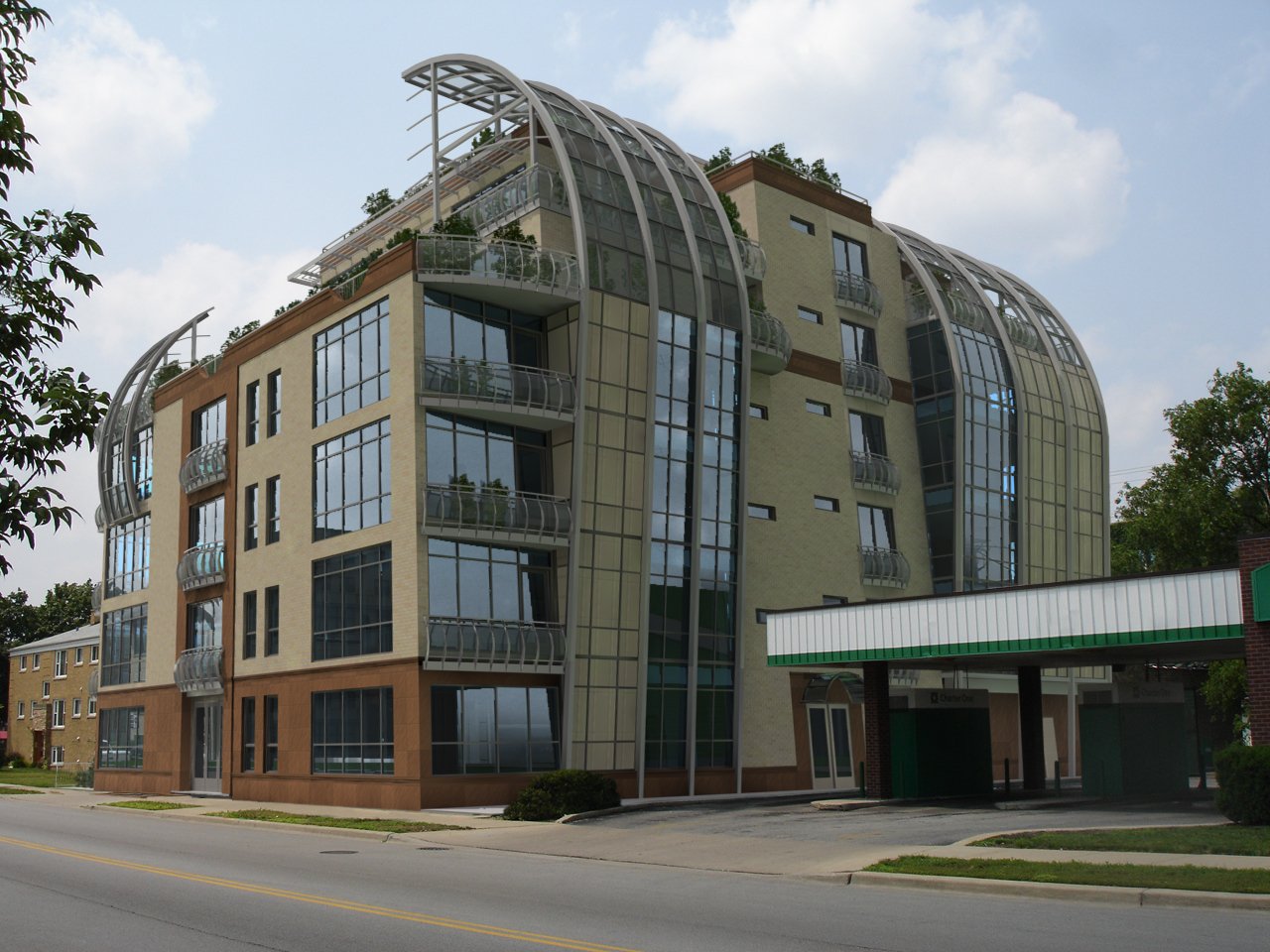
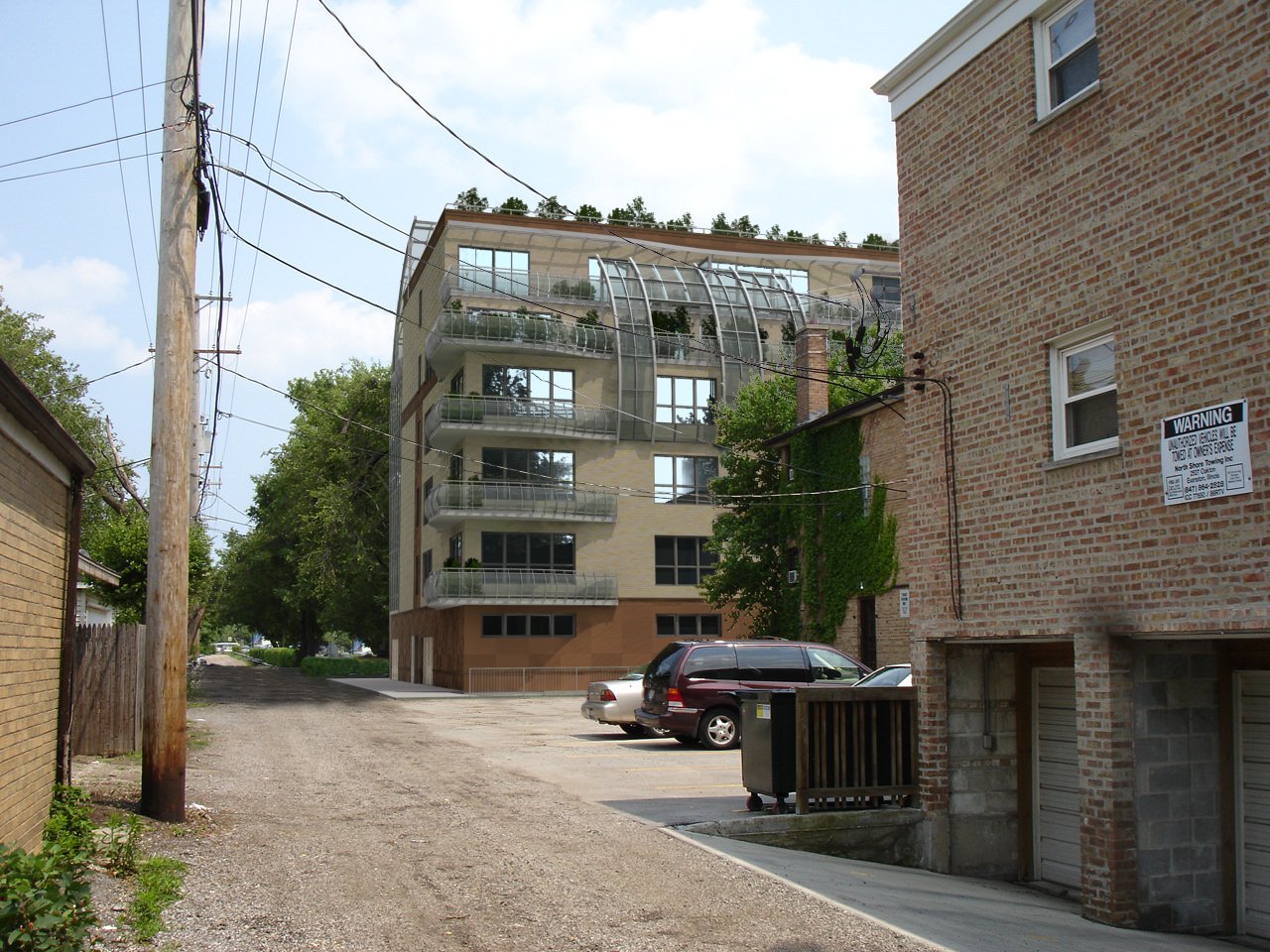
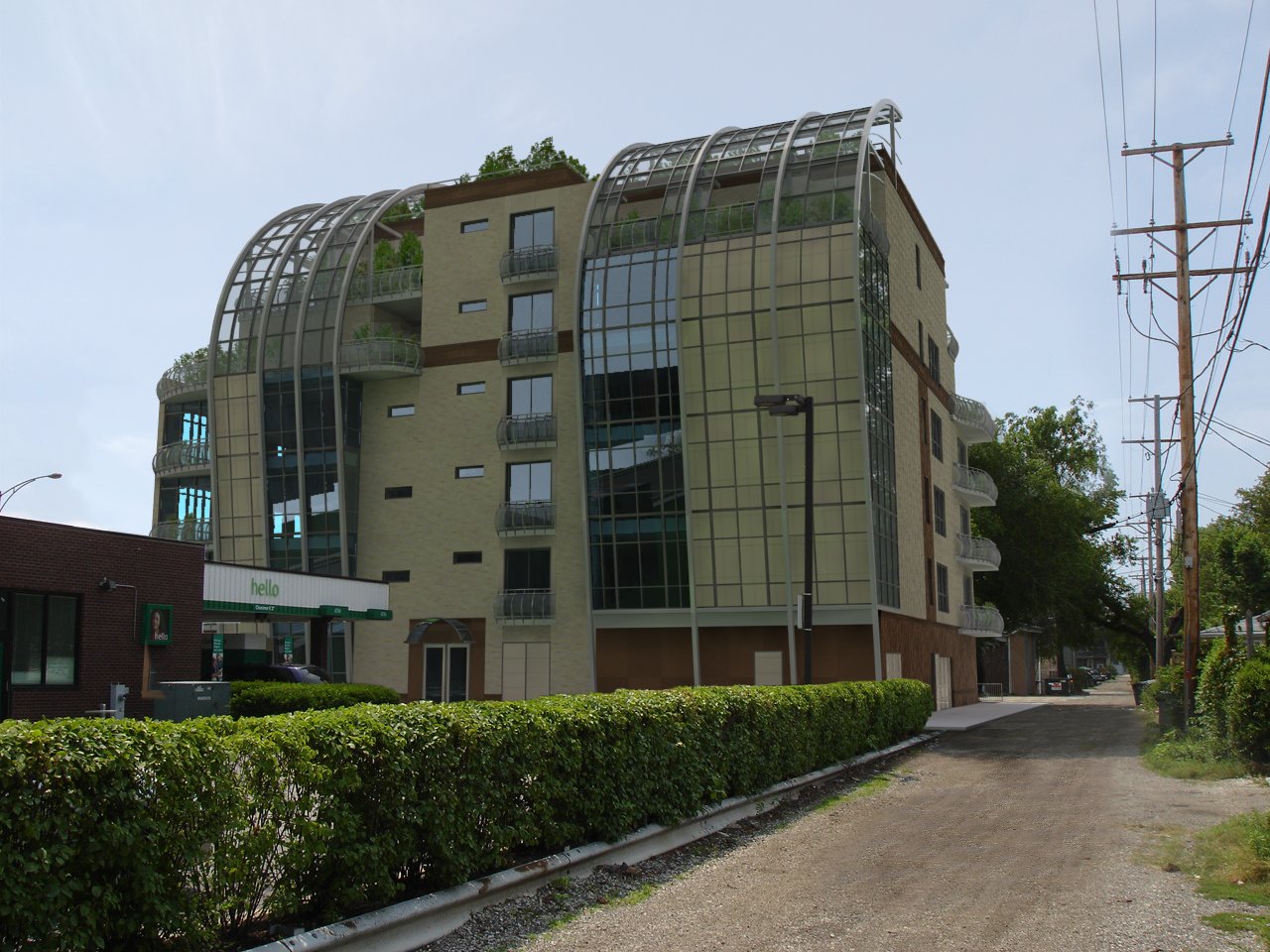
The ARCHview Office and Condo Development is environmentally friendly and architecturally welcoming.
Originally dominated by the industrial area, the City of Evanston surpassed residentially as a result of the Chicago Fire in 1871, for many who lost their homes came north to find a new place to live. Even after the new plan and redevelopment of Chicago, many continued to reside in the City of Evanston for its geographic location had a unique set of contextual conditions. It’s proximity to Chicago and Lake Michigan was unquestionably the primary attraction.
Urban Eclectic Environment:
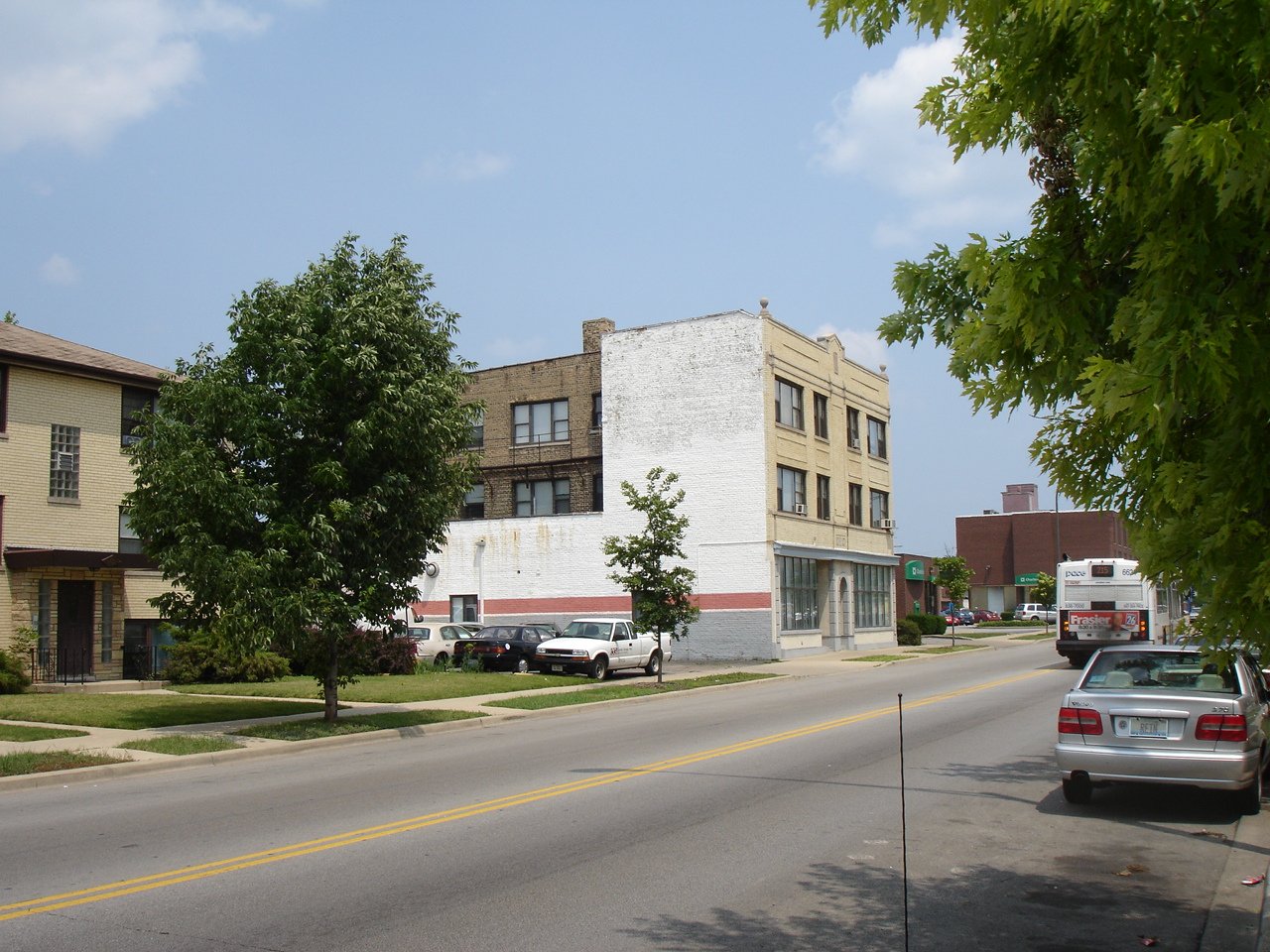
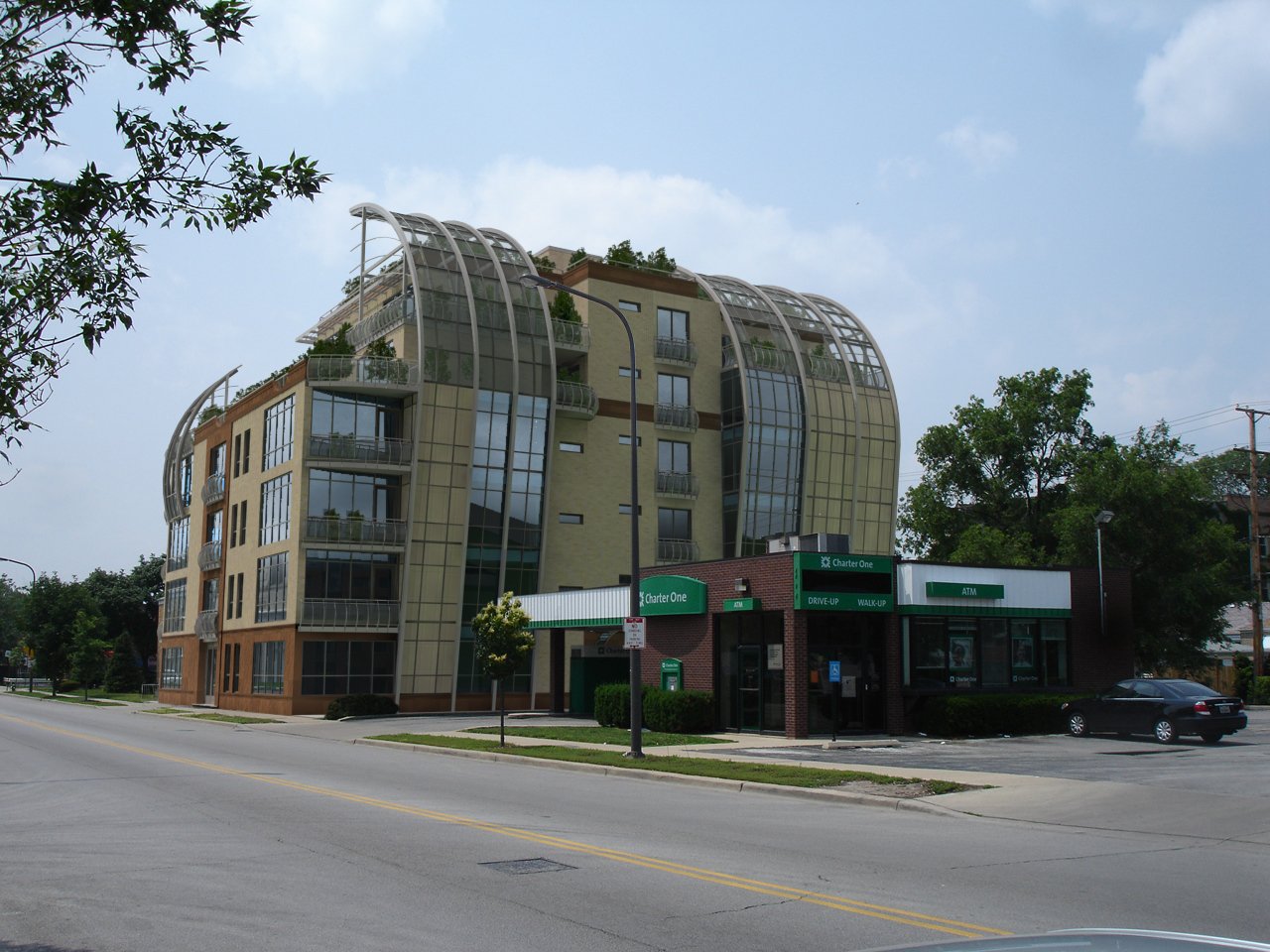
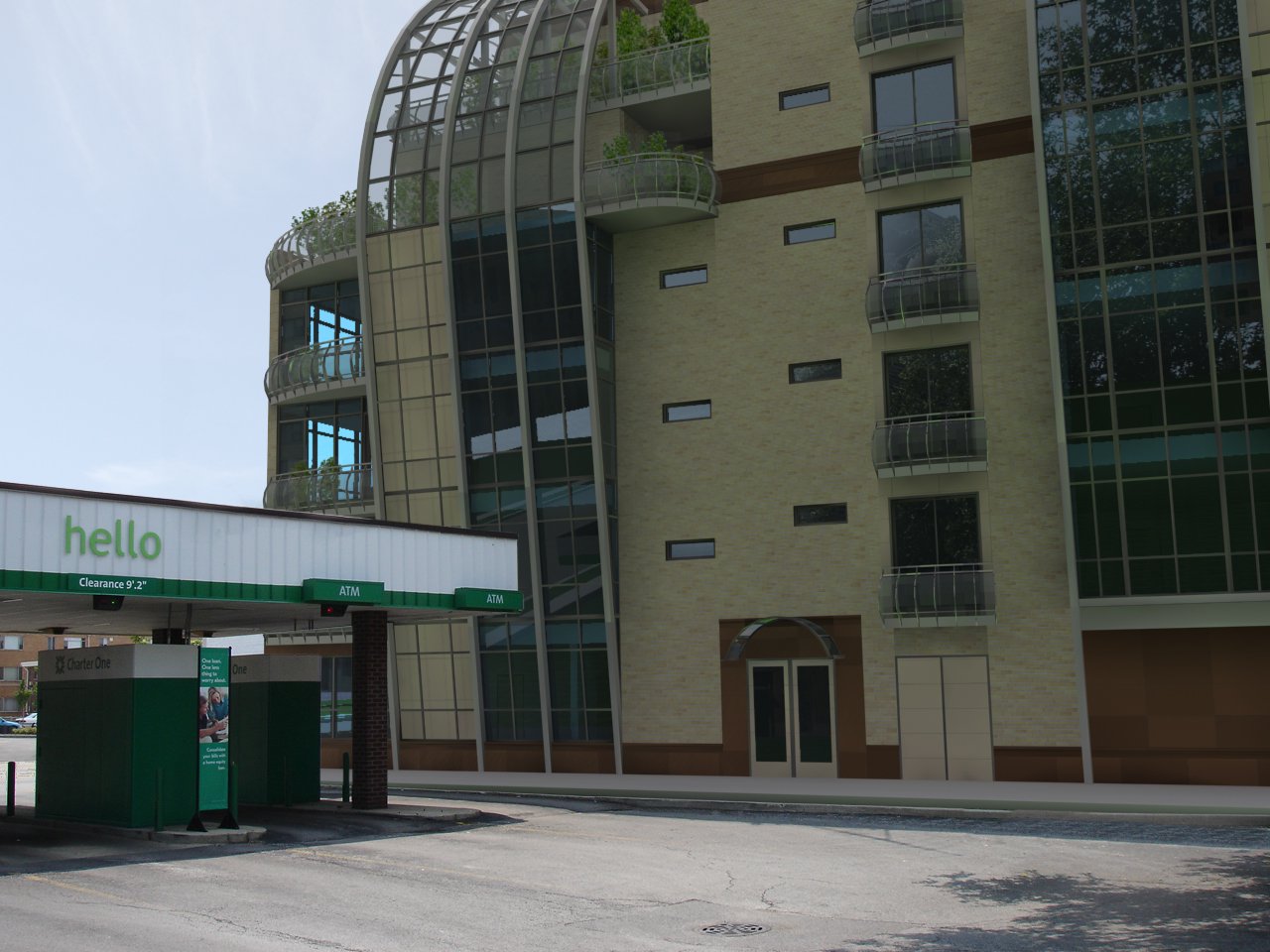
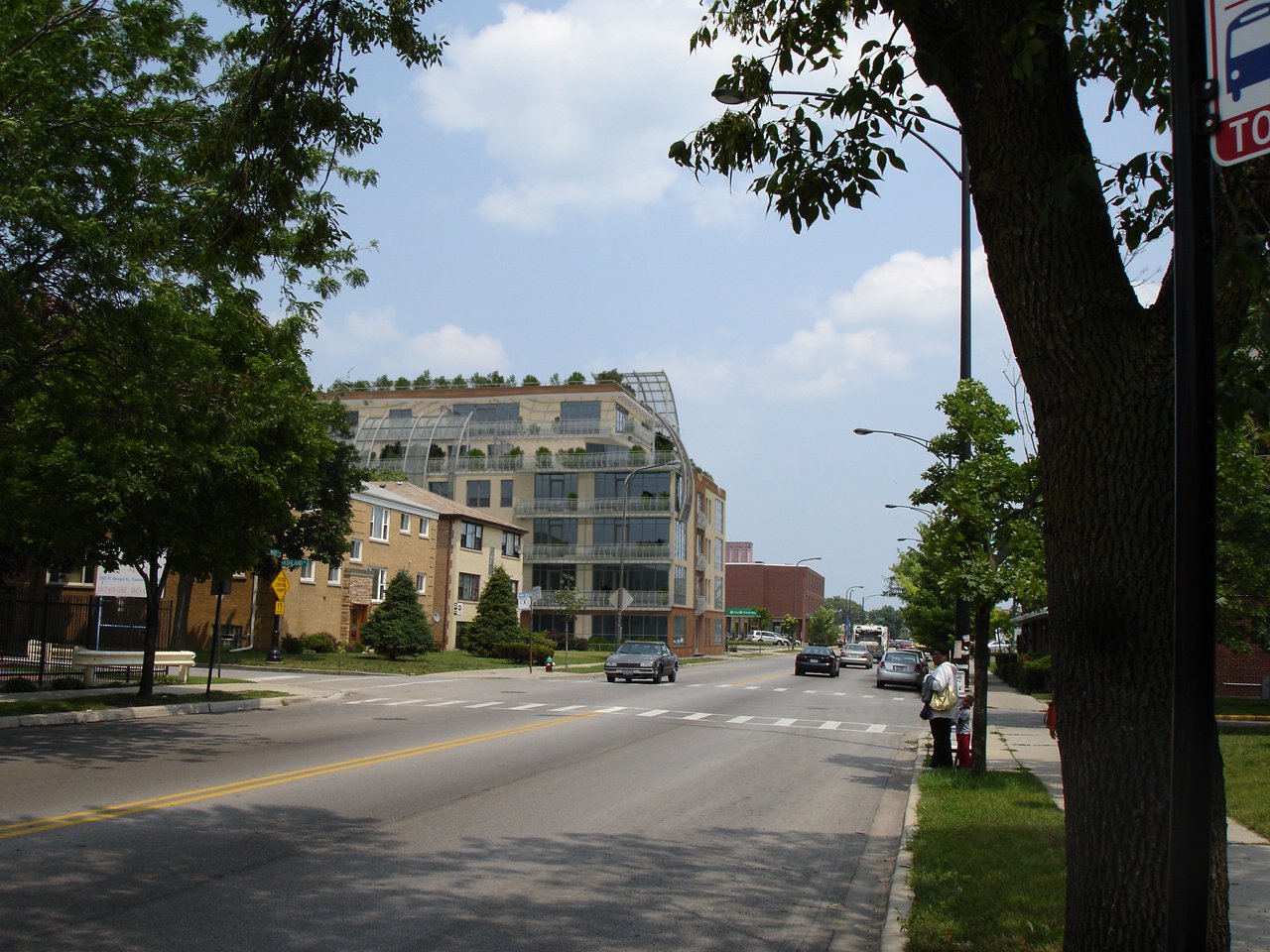
In contrast to the surrounding urban eclectic environment, the ARCHview Place tries to go against all negative aspects that classify this environment as unfriendly pedestrian by minimizing their negative impact as viewed by the pedestrian. To begin with, the existing partially one- and three-story masonry building, with blank facades, seems to push the viewer away and arises an unwelcoming sensation to the pedestrian. By contrast, the proposed ARCHview Place is a high-quality mixed-use development with strong street frontality, thus emphasizing the importance of beautifying the street definition. Moreover, the architectural uniqueness in the use of glass and the embellishment of the street and building with flora to complement the city hardscape, not only lightens the massiveness, but also eliminates the uninteresting blank facades, thus attracting the pedestrian.
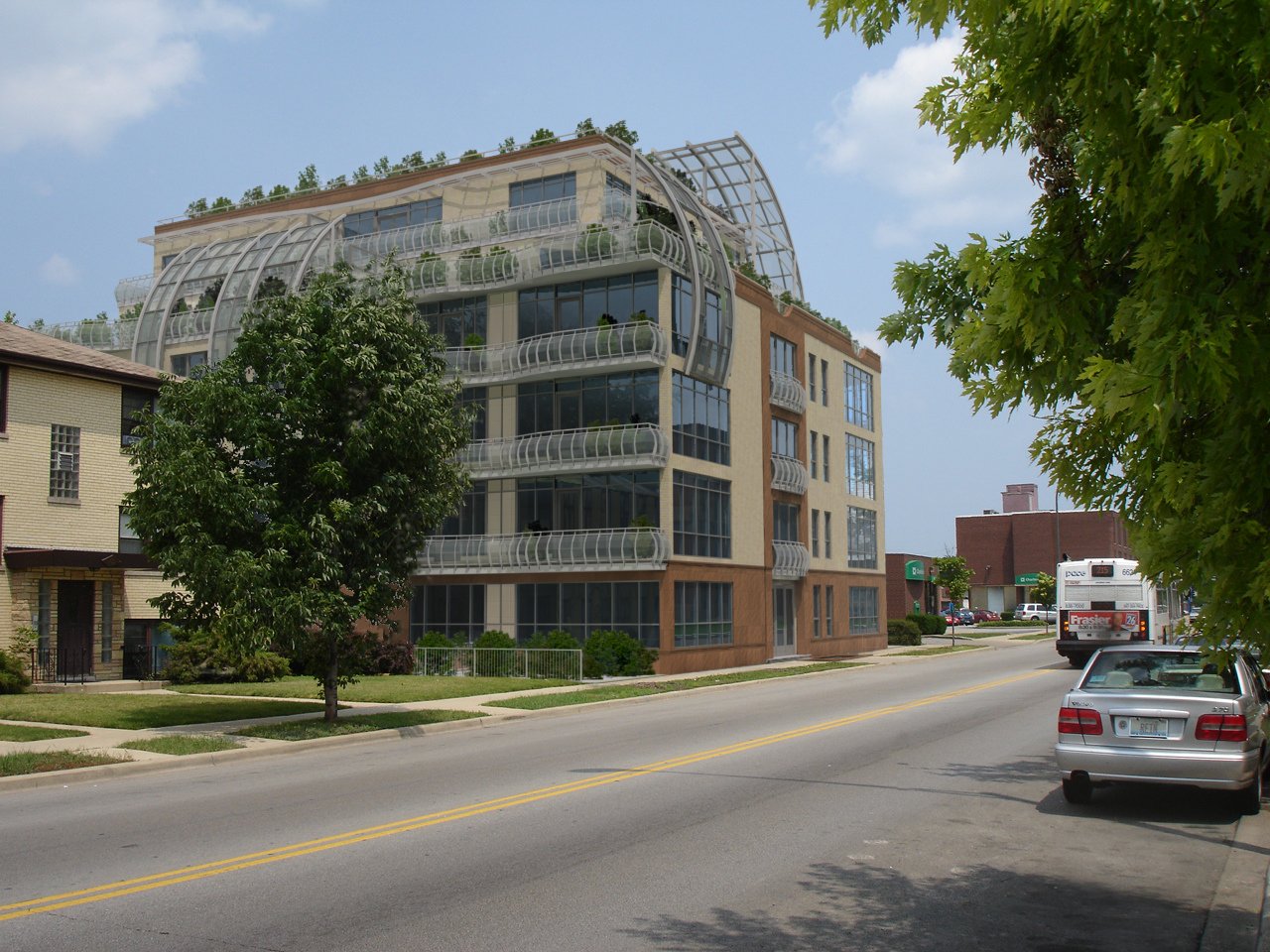
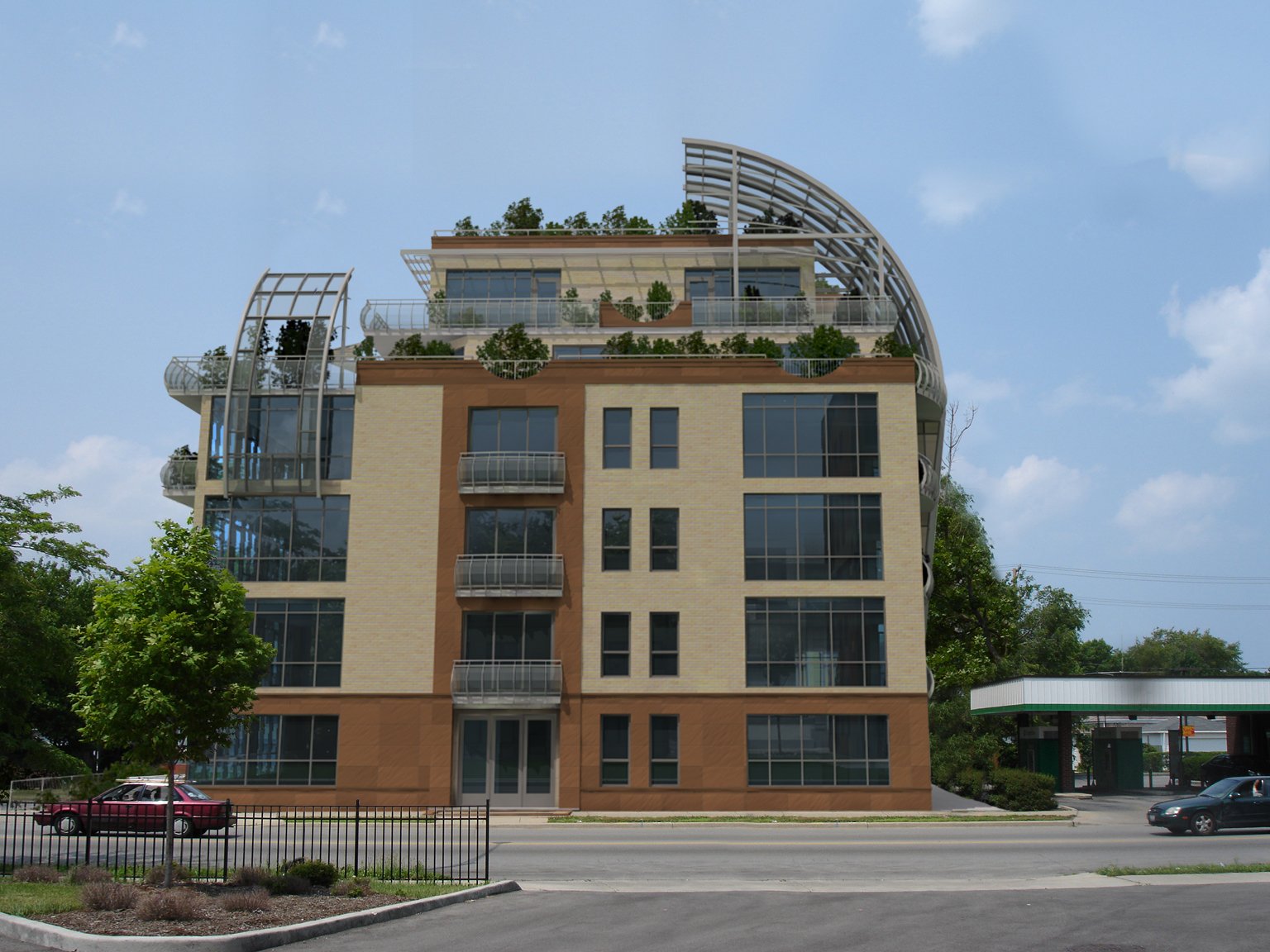
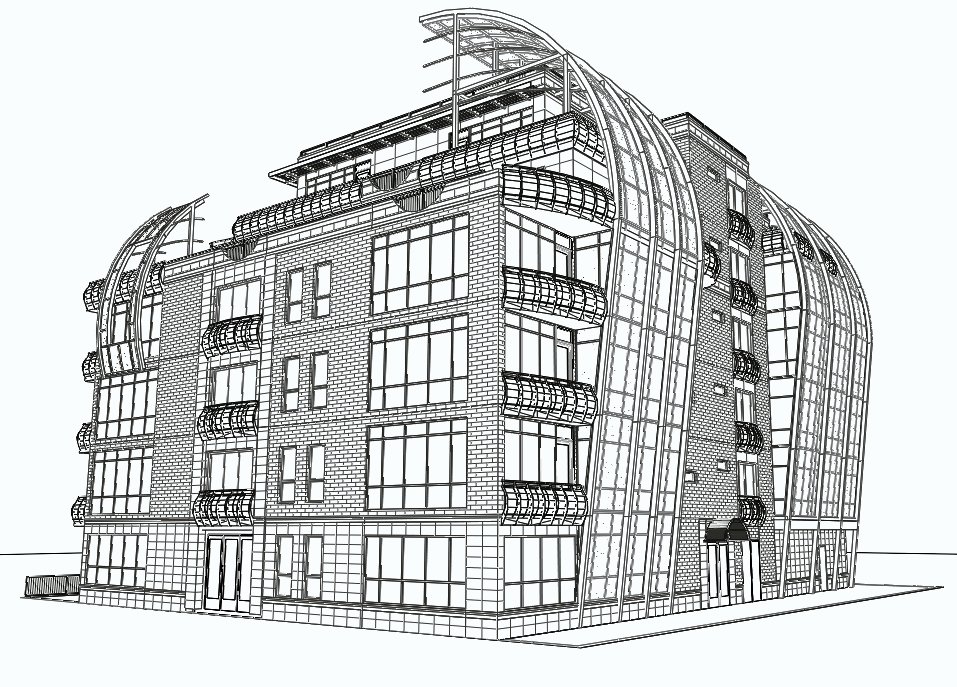
The various forms are unified in an arch-type shell, which are clad in curved steel panels, thus creating an acoustic barrier from outside traffic and protection for the building from the lake’s winds. The arch-type shell enclosure, supported by curved steel tubes held in tension by interior structural steel members, also serves as covered terraces, thus blurring the distinction between interior and exterior space. These articulated forms represent a model of controlled disruptive order. This contradiction between random appearances and a calculated order creates a paradoxical dynamism among the enclosed forms. The building is designed to be low maintenance, with pre-finished components such as metal lined insulated sandwich panels, hot-dip galvanized structural members, stone and brick walls and polished heated concrete floors. The south and west walls are double-glazed to prevent overheating from solar access.
Sustainable and Green Architecture:
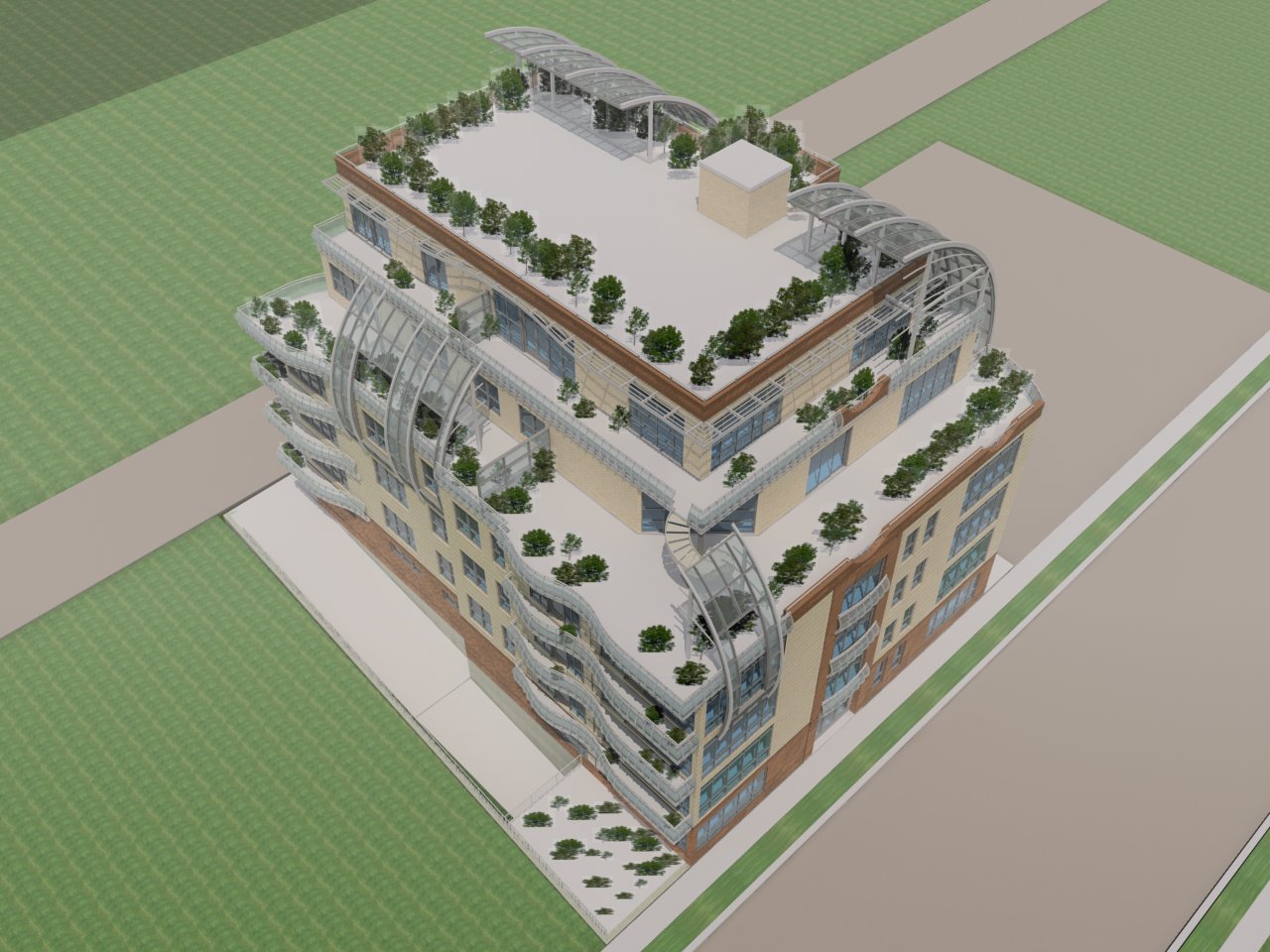
The terraces at the penthouse level are dominated by planters containing trees and plants, and the roof of the upper level is practically covered with vegetation. The green roof system not only provides benefits to the environment, but to the tenants and pedestrians as well. First of all, a green roof system increases wildlife habitat in built-up areas. It also reduces the urban heat island effect, slows down and reduces storm water run off, which could overload the combined sewer-storm water system and cause floods or dump sewage into the local waterways. In addition, it filters CO2 and other pollutants from the air including heavy metals and rainwater acids. The tenants also benefit from the green roof, for it reduces heating (by adding mass and thermal resistance value) and cooling (by evaporative cooling) loads on a building and it increases the roof’s life span.
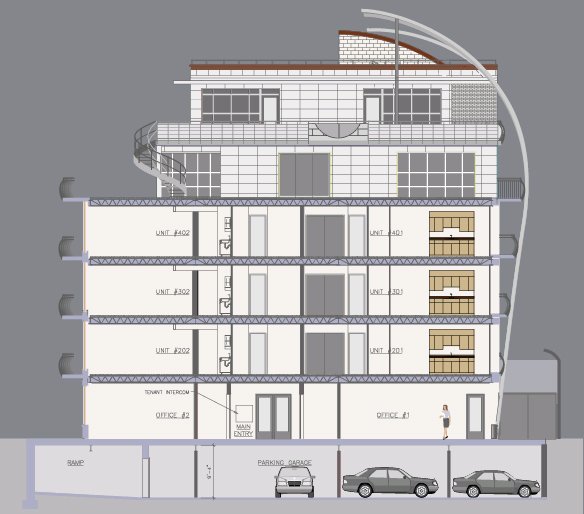
This mixed-use contemporary green building is comprised of underground parking, two commercial offices on the main ground floor with parking in the rear, fifteen luxury residential condos on the 2nd to 4th floors, and three luxury penthouses on the top two floors.
The interior layout is thoughtfully designed to maximize light, as well as to provide generous living spaces with large terraces and loggia areas accessed through sliding door systems at the penthouse level.