Monument Museum of Indigenous Cultures
location
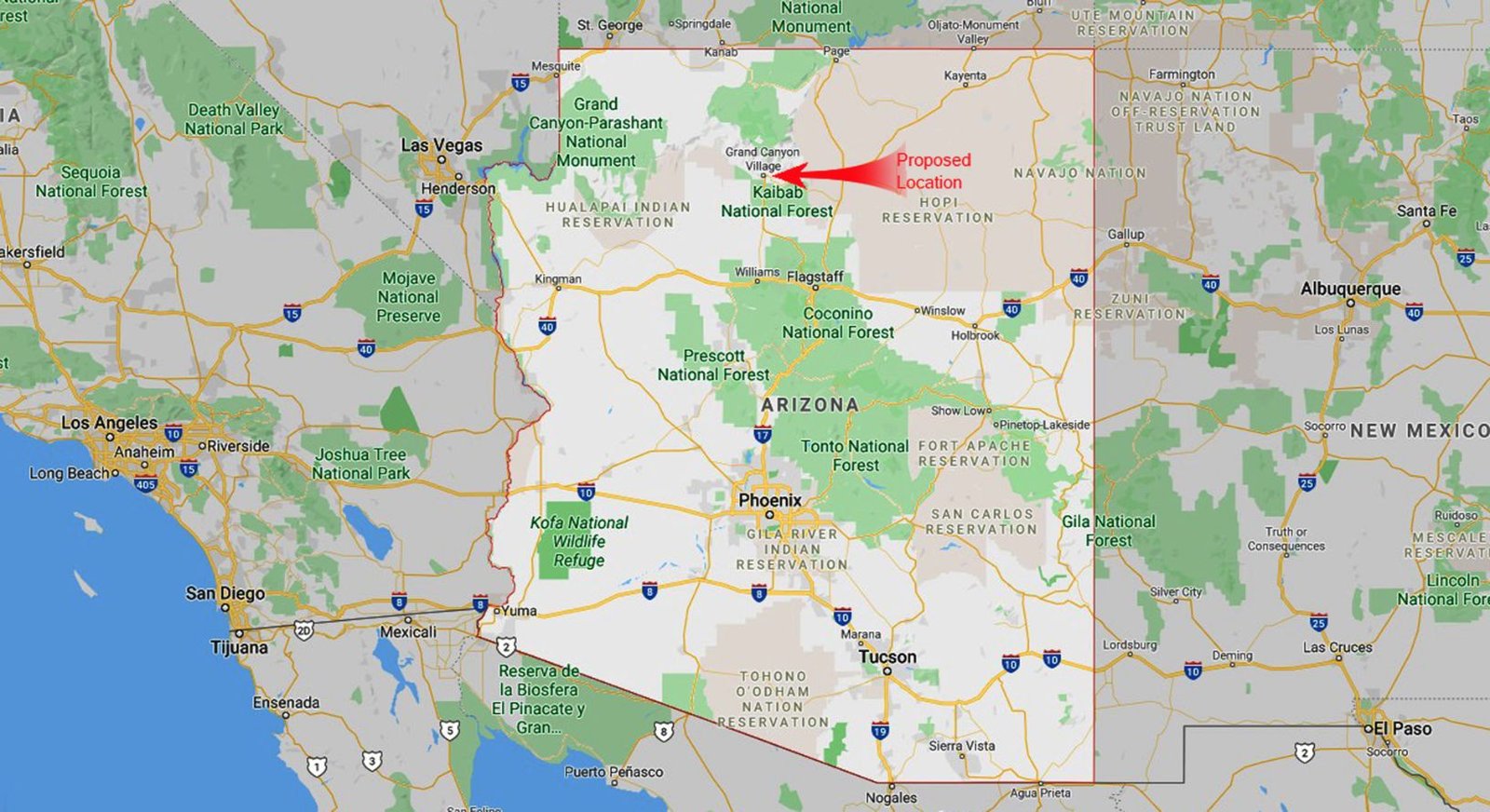
Grand Canyon Village, Arizona
Design
Paul N. Poloz
THE PROJECT LOCATION
The Monument Museum of Indigenous Cultures seeks to honor the culture of the people that have an incomparable Spiritual understanding of the world around and to expose visitors to the Native American cultures in a way that they might glimpse the spiritual mystery of the world in a similar manner.
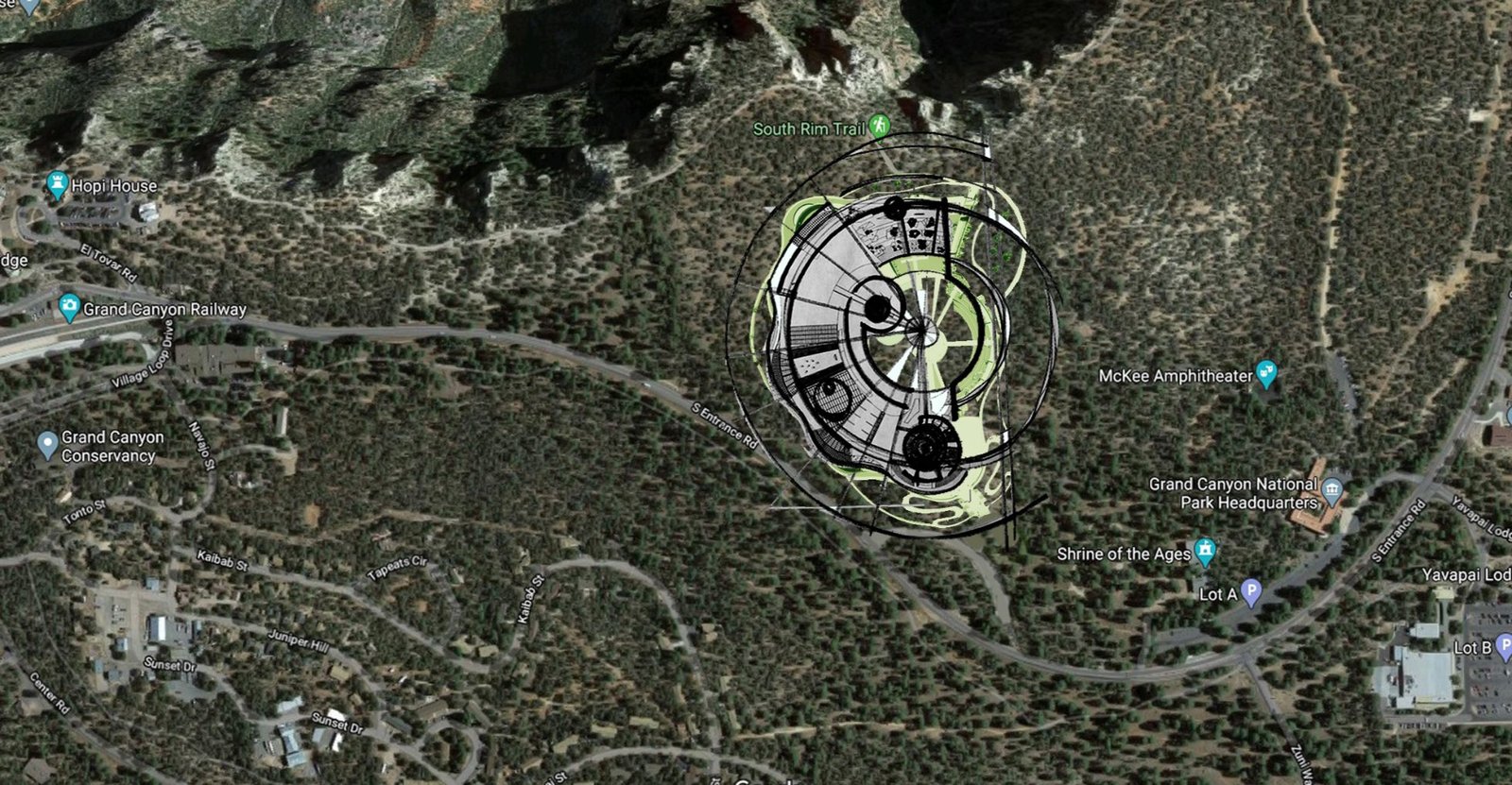
We aim to locate this project in Grand Canyon National Park, near Grand Canyon Village, Arizona which is one of the important sacred sites of Native American people, especially for the Havasupai, Hopi, and Hualapai tribes, Kaibab Band of Paiute Indians, Las Vegas Band of Paiute Indians, Moapa Band of Paiute Indians and the Navajo Nation.
ARCHITECTURAL CONCEPT
The museum will begin with a celebration of the spiritual culture and art of Native Americans.
Our vision of the Monument-Museum is to express the spiritual world of Indigenous peoples, which will honor and privilege Native voices, perspectives, values and understanding. And while most museums of Native culture hone a colonial mindset that is always focused on stagnant intellectual knowledge that includes exhibits, artifacts, and archaeological, historical, and political documents and information, our vision stands against this. We have no intentions for the exhibition of any stolen sacred objects, or the exhibition of the collection and repository of indigenous bones. This is blasphemy. We believe that those objects are not things, but rather are sacred objects that were dedicated by the ancestors for worship and ceremonies. And those bones are not archeological objects; they are Indian relatives.
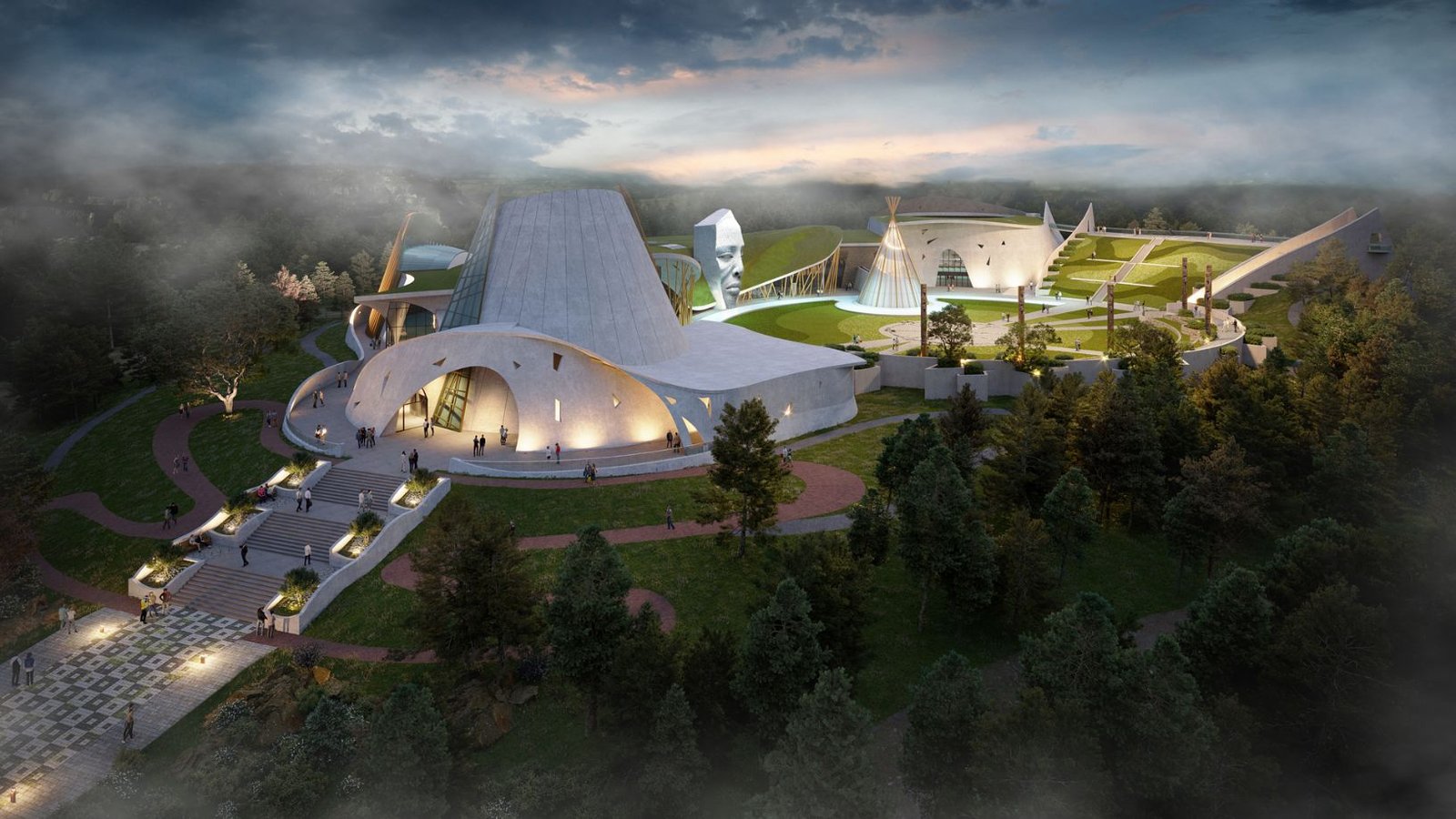
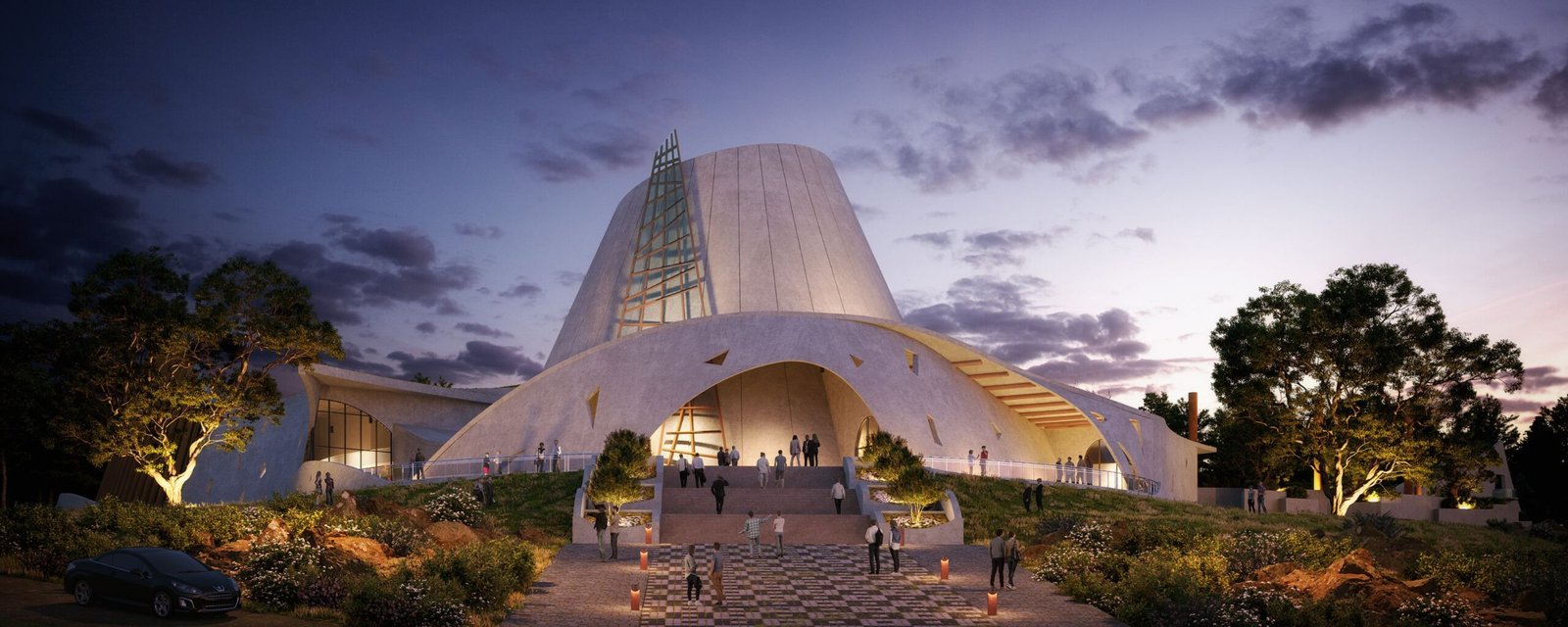
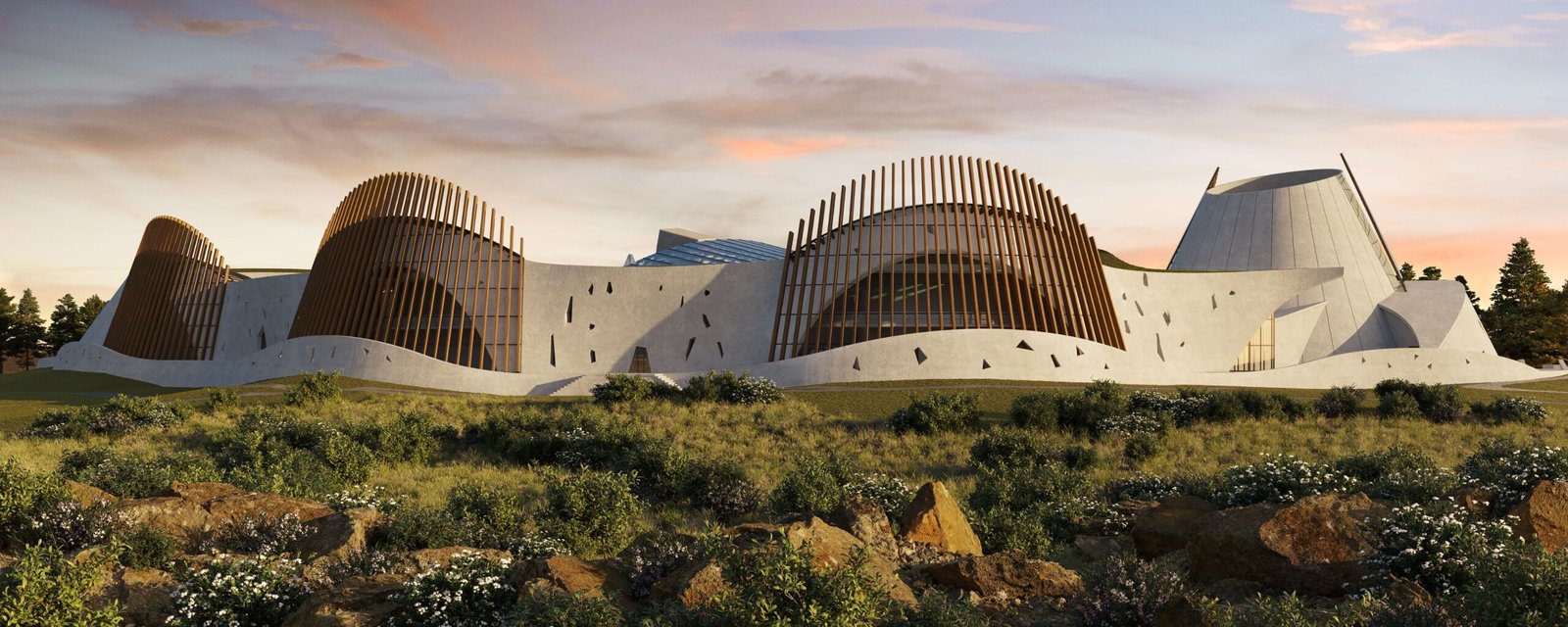
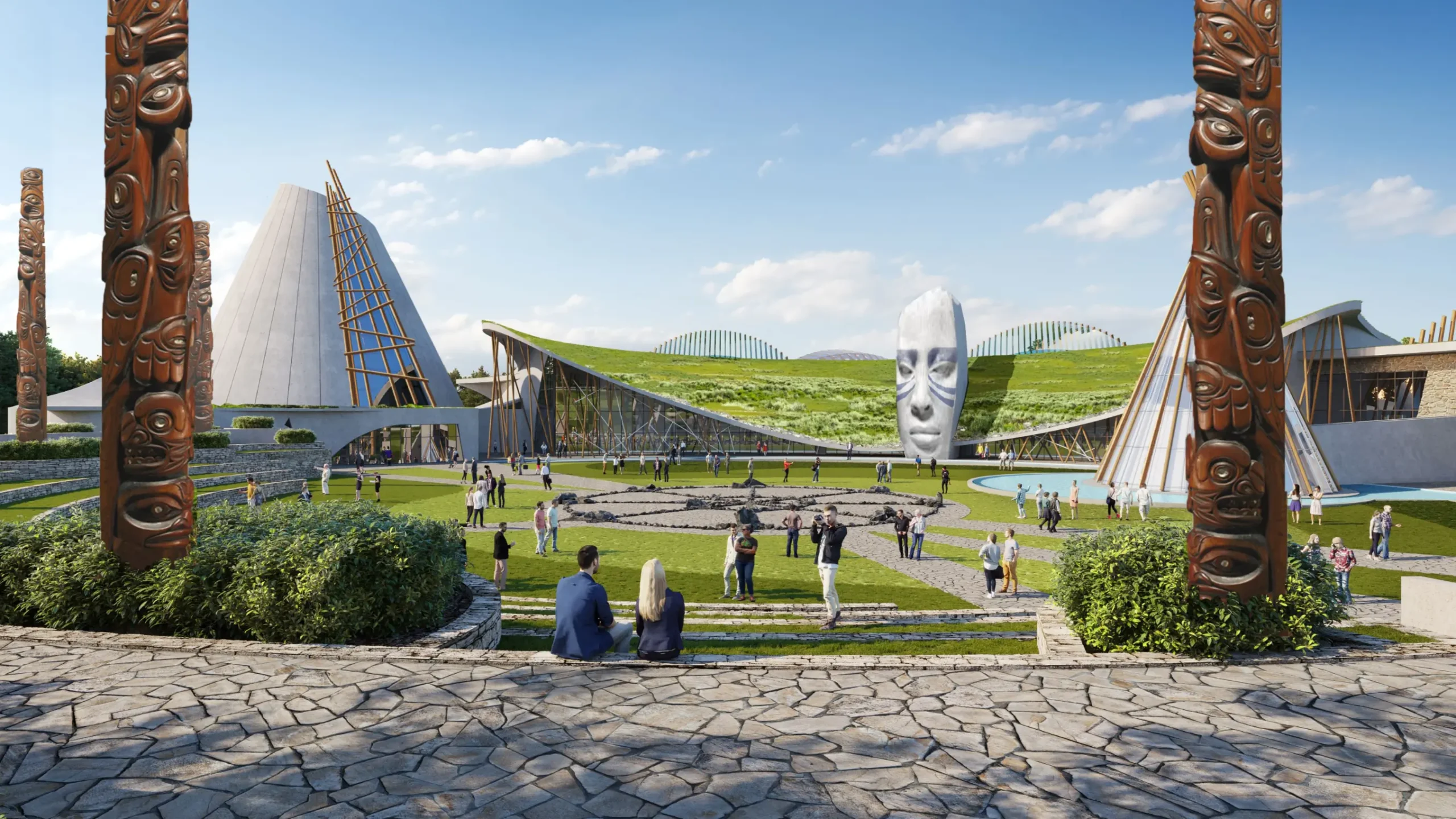
The visitor will discover an amazing environment reflecting the image of an Indigenous village fitting into the surrounding landscape and undulating in the topography of the Grand Canyon. It is the creative response to the Native American desire for the creation of a special sacred place. The new Monument-Shrine will emphasize a deep connection to the ancestors, to the Native World, Mother Earth, to the sacred places, and the spiritual cultures and traditions of Indigenous tribes.
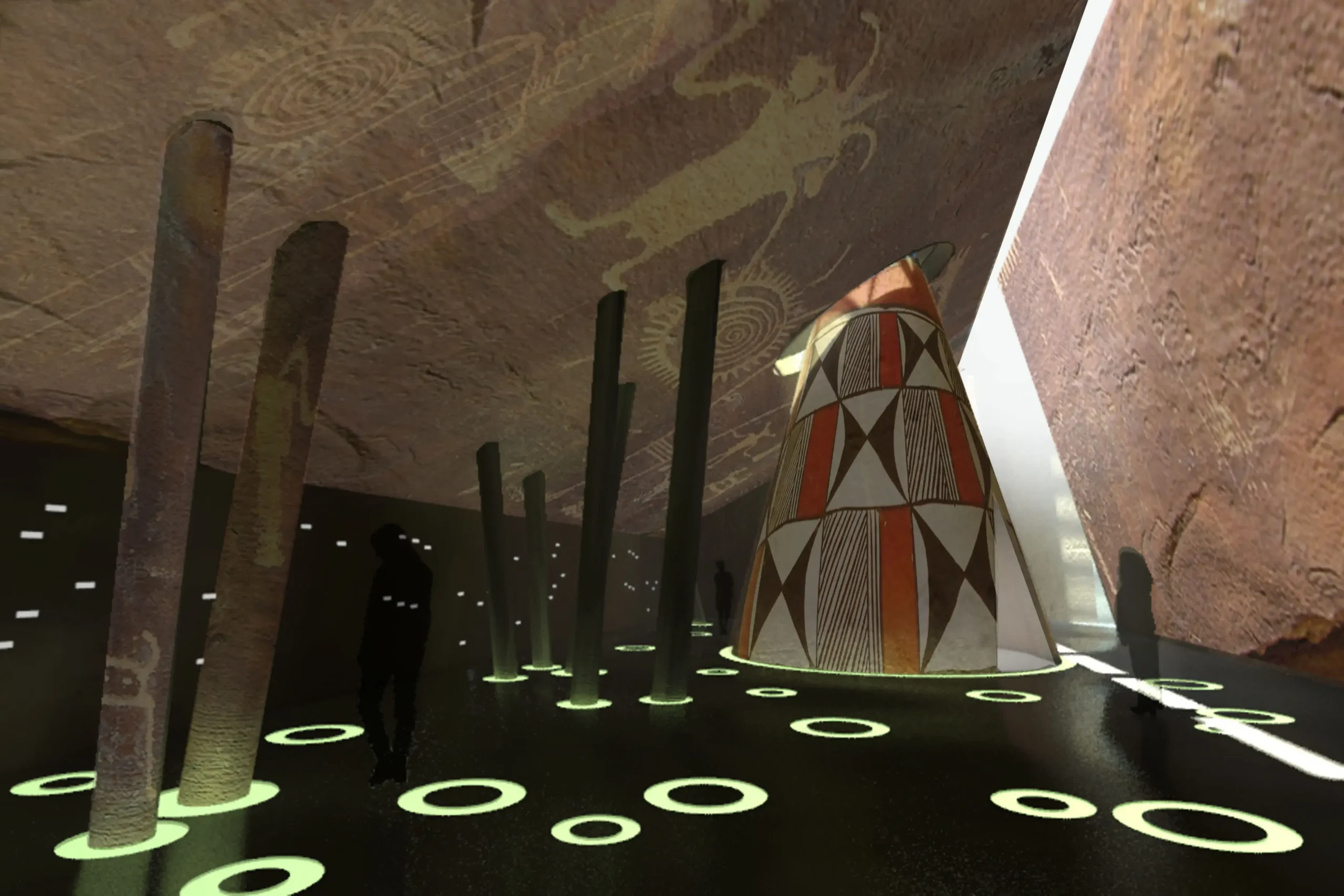
During the design process we confronted great challenges: How can one depict, through architecture and art, the spiritual traditions that have developed in the indigenous culture as the very principle of man’s relationship with the sacred? How can one lead the visitor to the sacredness and great meaning of it?
In the architectural design that incorporates various symbolic elements, we avoid ascribing absolutes to these symbols that are shared between different tribes of different perspectives. On the one hand, this opens up an unlimited scope for the visitor to work with symbols, meanings and interpretations, but, on the other hand, it will immerse them in the unknown world full of mysticism and surprises.
CONCLUSION:
The future of Native Americans primarily depends on themselves, their spiritual energy, their creative power, and their Indigenous consciousness. Nature is the foundation of the life of the Indigenous people while spiritual cultures are the structure of their being. Preserving cultures is as natural and necessary as preserving nature. Therefore, through this project, nature and the spiritual cultures of the Native American people will be elevated to an unprecedented level and presented in the light of the Native American Spirit.
The museum will contain the following:
- Museum Lobby
- Hall of the Medicine Wheel
- Gallery of the Longhouse
- Gift shop / Bookstore
- Images of Life / Photo Gallery
- The Hillside Garden / Atrium
- Shadows of the Tribe / Wigwam Room
- Transformation / Great Masks
- Vessels of Life / Pottery Room
- Flickering Dances / Ceremonial Regalia
- Reception Lobby / Café
- Auditorium
- The Great Tipi
- The Amphitheater
- Interior Courtyard
- The Monument